

I haven’t used a resin printer yet, but I’m really interested in getting one. When I first read about resin, all I saw were warnings like: “Resin fumes are toxic! Make sure you ventilate!” Okay… but how toxic is that, really? Could sniffing the air around your printer give you cancer? Make your eyes and lungs bleed? Or turn you into a goat?
This is a classic newbie fear. You dig into MSDS sheets, ask veteran resin printers in forums, google until your eyes cross… and still can’t find a clear answer. So, let’s cut through the smoke: are resin fumes really dangerous? Or do they just give you a rash, a little cough, and watery eyes? And if you’re using a resin that doesn’t bother you, is it safe to let your printer run for hours in the same room while invisible and odorless fumes slowly “work their magic” on your lungs?
The long-term effects of resin fumes aren’t fully settled. Some people say it’s extremely dangerous—you shouldn’t even be in the same room. Others have VOC sensors in their print rooms and never see readings above the EPA’s “acceptable” levels. Resin fumes are mostly irritants. They’re not going to poison you instantly or kill you. Common symptoms include skin rashes, watery eyes, and coughing.
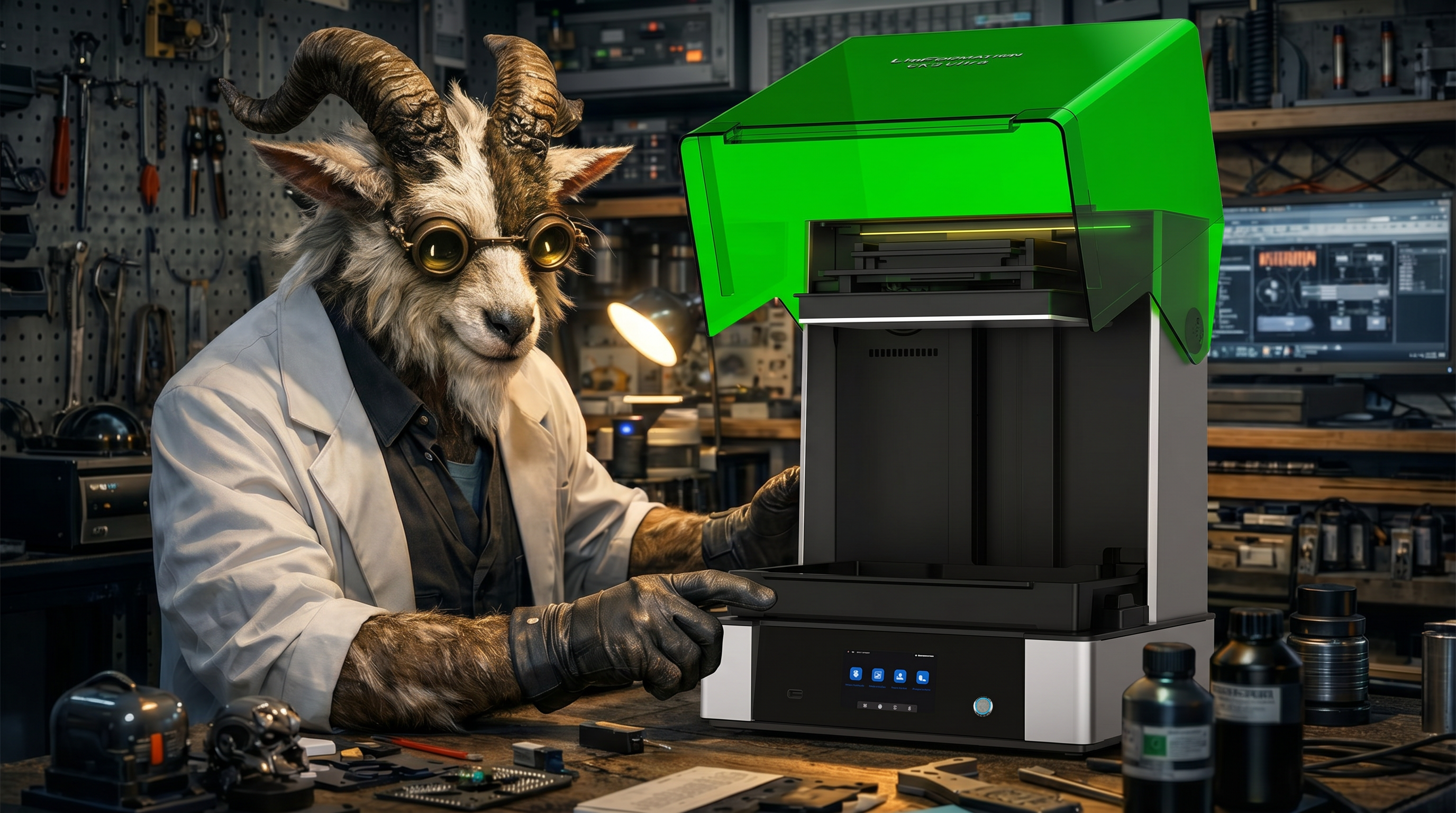
If you’ve handled resin briefly with no issues, chances are spending a few hours in the same room as your printer is mostly safe, you won’t slowly turn into Godzilla or some horned goat scientist. Still, gloves and ventilation are a smart move. No dedicated print room? A garage or storage room works just fine.
As a resin printer with 3+ years of experience, how do I protect myself? stick around.
How to Protect Yourself from Resin Fumes
Resin printing is insanely fun—but safety always comes first. Exposure to resin fumes happens in three stages: printing, curing, and sanding. Here’s how to stay safe at each stage:
-
Work in a well-ventilated space to dilute fumes. Honestly, my garage has become my best print studio—it’s spacious and airy.
-
Absorbs resin fumes. Place activated charcoal in your workspace. It gobbles up VOC molecules and unwanted smells like a champ.
-
Self-protection. Always wear gloves, masks, and goggles—even for small projects. They save you from irritation and accidents.
If resin gets on your skin, wash it off immediately with soap and water. Feeling unwell or short of breath? Step outside for fresh air. Don’t hesitate to see a doctor if necessary.
Essential Resin Printing Safety Gear
|
Gear |
When to Use |
Notes |
|
Protective Gloves |
When mixing and pouring resin or removing models, the area of the skin that contacts resin the most is the hands. Wearing gloves can protect your hands from resin exposure and prevent skin irritation. |
Latex gloves may react with resin (epoxy resin). Using nitrile gloves provides better protection. |
|
Protective Goggles |
Used throughout the printing process to protect the eyes from splashes and fumes. |
Choose UV-resistant models whenever possible. |
|
Respirator Mask |
When using resin, especially during mixing, pouring, or sanding, a respirator helps protect you from inhaling harmful fumes and fine dust particles that may be released during these processes. |
Even small amounts of fumes can accumulate. Resin is labeled as “low odor,” but for safety, it’s best to still wear a mask. |
How UniFormation Controls Resin Fumes Through 3D Printer Design
Enclosed Print Chamber
Fully seals the print area, the chamber cover prevents fumes from spreading into the workspace.
Activated Carbon / VOC Filtration
Equipped with magnetically attached air purifiers. They absorb VOCs and odors released during printing, capturing fumes before releasing filtered air back into the chamber. Purifiers remove about 80% of odors, and one filter lasts roughly 2 months.
BTW, the curing unit also comes with a magnetic air purifier
Circulating Airflow Design
Built-in fans push air through the activated carbon filter, ensuring fumes are guided to the filter. No dead zones—every corner of the chamber gets filtered.


